By John Straitiff
Cook Forest State Park holds special memories for so many people. For me, as a young child, “The Forest” was a fun and magical place. My mother would often take me and my brother to the swimming pool by what is now the Sawmill Center for Arts. On summer Sundays, my family would meet my grandparents at the same spot for a picnic. My grandfather would get there early in the morning to lay claim to “our picnic table.” Those summer afternoons were filled with love and laughter. I fondly recall the fun of playing in the Clarion River, chasing minnows and water skippers. My uncle once rented a two-person bicycle from what is now the Pale Whale Canoe Fleet and took me for a ride along River Road. I thought that I was the coolest kid in the park while driving it. As a teenager, working at the Wet-N-Wild Waterslide for my father’s friend was one of my more memorable summer jobs. Each week I would meet a new group of friends as new families arrived at the cabins and campgrounds. Working the go-karts was always a hot, dirty, and sometimes dangerous task. Of course, I always wanted to be at the top of the waterslide, in control of the sliders spacing for safety and talking to people. How could I ever forget fishing Tom’s Run with a cast on my leg, hiking to Seneca Point, canoeing the river, horseback riding, and the many more memories associated with Cook Forest.
To find out more about Cook Forest, I talked with Dale Luthringer, Environmental Education Specialist for Cook Forest State Park. Dale started his career as a summer interpretive technician twenty-seven years ago and knows the park better than anyone else.
When asked about the park’s giant and ancient trees, Dale noted “Cook Forest State Park holds the finest remaining stands of old growth hemlock in the Eastern U.S.”
The park boasts four notable record holding trees.
- Tallest known tree in Pennsylvania-170 ft. tall white pine.
- Seneca Hemlock – tallest known Eastern hemlock in the Northeast at 12.5 ft. CBH (circumference breast height) x 148.1 ft. tall.
- Susquehannock Hemlock – largest known Eastern hemlock by volume in the Northeast at 13.8 ft. CBH x 135 ft. tall at 12,432 board ft. of wood.
- Davies Black Cherry – tallest known black cherry in the Northeast at 12.1 ft. CBH x 143.1 ft. tall and also the largest known forest grown single stem black cherry in the state.
What is your favorite place in the Forest?
“That would have to be the Cathedral Forest and the Seneca Forest for their ancient trees and proximity to the Clarion River. Some of the park’s biggest trees are in the Seneca Forest.”
The Forest Cathedral old-growth area is a registered National Natural Landmark. It was the first forest in the Old-Growth Forest Network, dedicated on April 19, 2012. The following tree species 150 years or older can be found here: eastern hemlock, eastern white pine, white oak, American beech, black cherry, red maple, northern red oak, black birch, yellow birch, cucumber tree, and black gum.
What are some of the special things in each season in Cook Forest?
“In spring people enjoy fishing, the sounds of the frogs and the appearance of salamanders. Migrating birds visit the park including loons and long-tailed ducks that are small sea ducks.”
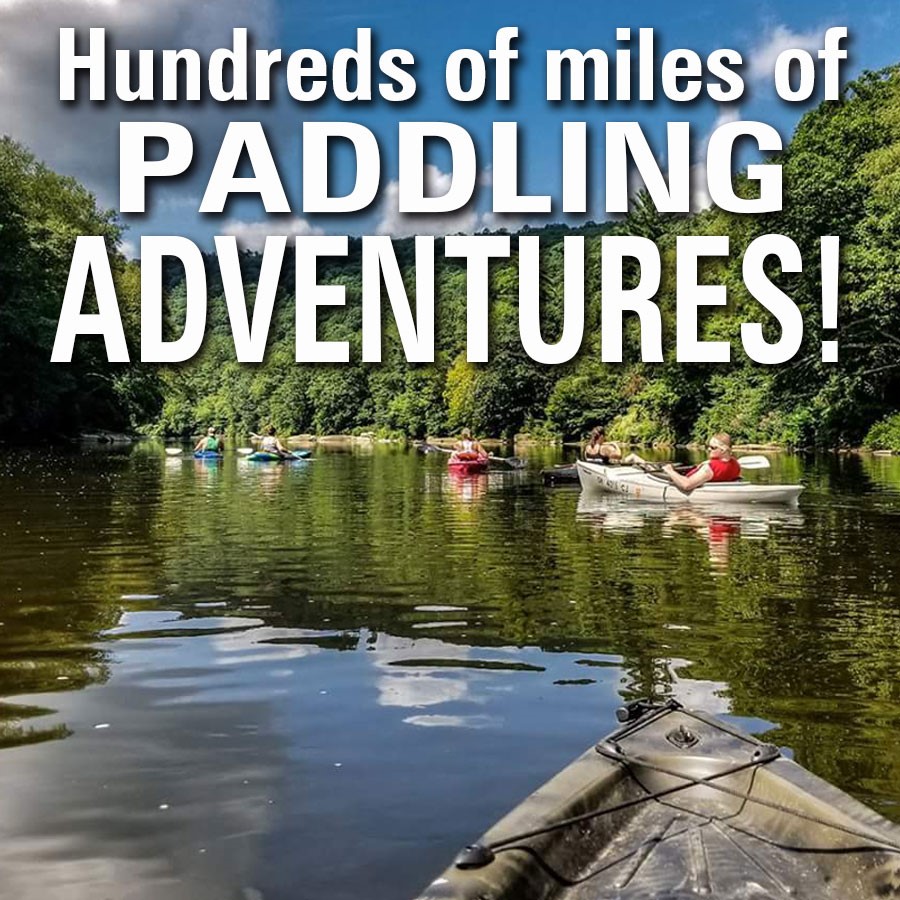
“Summer activities revolve around floats and spending time on the river.”
The Clarion River meanders through the narrow valleys and hardwood forests of the Pennsylvania Great Outdoors region, flowing from Johnsonburg through Cook Forest. Forested mountain slopes teaming with wildlife, intermittent riffles on the water, and rock outcrops above its surface provide a picturesque backdrop for outdoor recreation. Nearly 52 miles of the river have been designated as scenic and recreational under the National Wild and Scenic Rivers Act, and adjacent public lands along its shores provide abundant opportunities for kayaking, canoeing, tubing, camping, fishing, hiking, hunting, bicycling, wildlife watching, and picnicking.
“During fall the cooler temperatures attract hikers and the fog in the valleys can be spectacular. The changing colors in the Forest are beautiful too.”
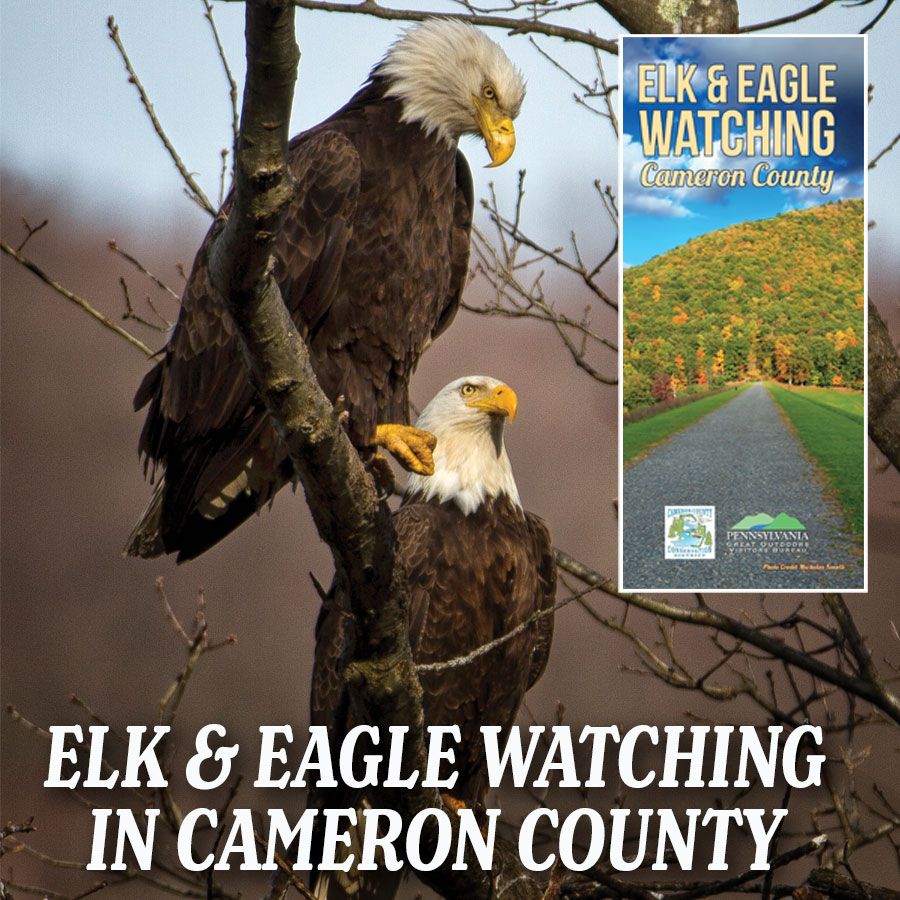
“In winter River Otters are a popular attraction. Their dark coats standout along the snow-covered riverbank. Both eagles and otters can be seen along River Road.”
What is a hidden gem in Cook Forest?
“That would be Henry Run Sawmill Dam. We get a lot of people asking about it.”
This waterfall is one of the most photographed places in the park. The remnants of a former sawmill dam that still holds back the waters of Henry Run can be found on the Baker Trail.
Park History
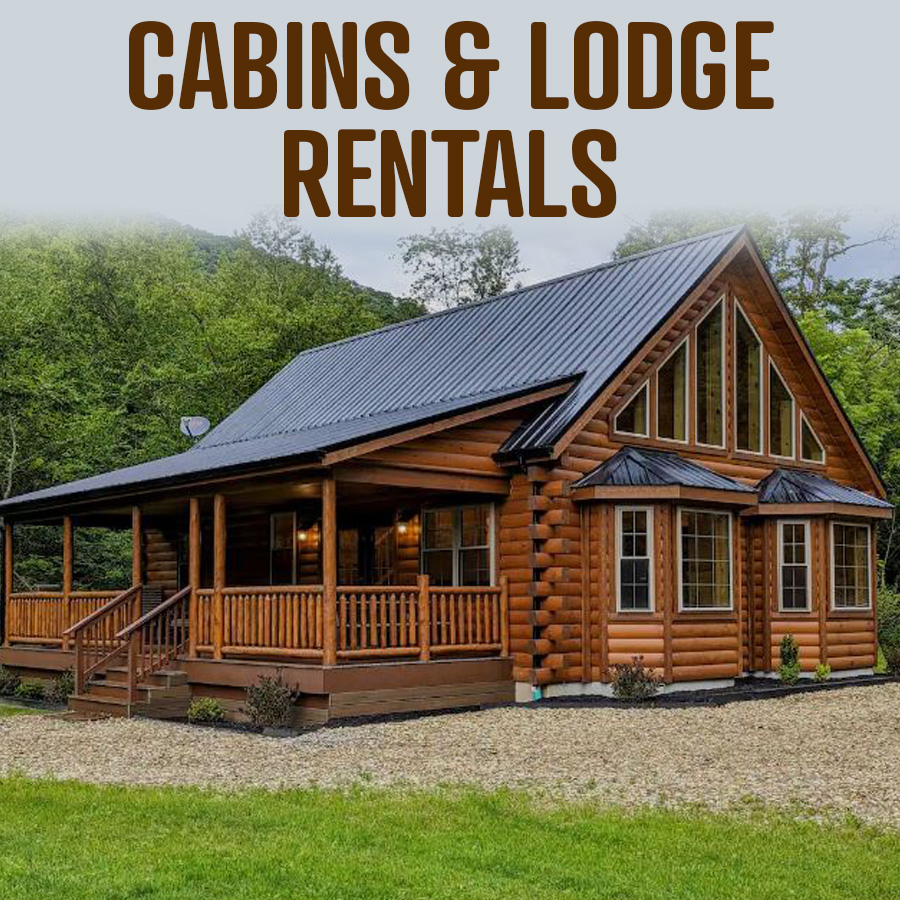
The Cook Forest Association formed in the 1920s to save the few areas of surviving old growth timber. Endorsed by national natural resource groups and Governor Gifford Pinchot, the association raised $200,000 which helped the commonwealth purchase 6,055 acres from A. Cook Sons Company in 1927 for $640,000. Built in 1950 on Longfellow Trail, the fountain was dedicated to the original members of the Cook Forest Association who were instrumental in raising additional funds needed to purchase the land from the A. Cook Sons Company. Cook Forest became the first Pennsylvania State Park acquired to preserve a natural area. It was later designated a National Natural Landmark. The 87.5-foot fire tower built in 1928 gave firefighters a 15 to 20 mile view of the Clarion River Valley and surrounding area. The tower was retired from service in 1966. Periodically, the observation cabin on top of the tower is open during programs hosted by park staff. Other popular programs include guide floats on the Clarion and Allegheny Rivers, workshops, and wildlife adventures. Nineteen cabins and more than 200 campsites are located inside the park.
Come make your own memories in “The Land of Giants” at Cook Forest State Park. Plan your adventure at VisitPAGO.com.