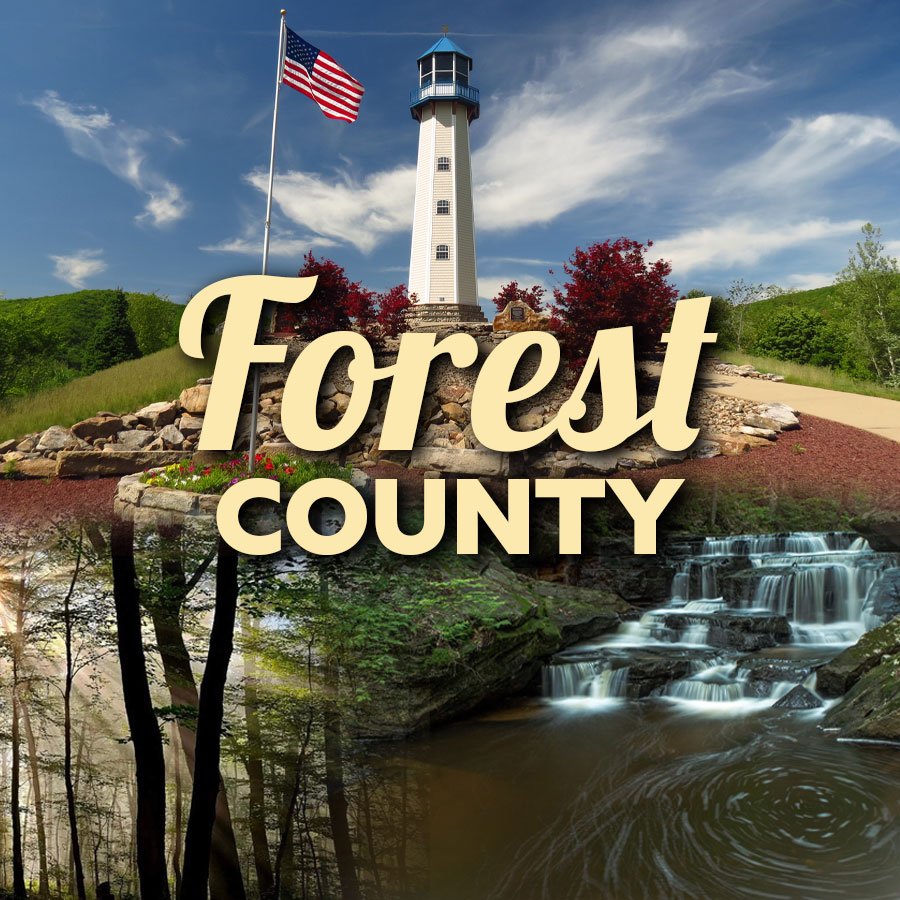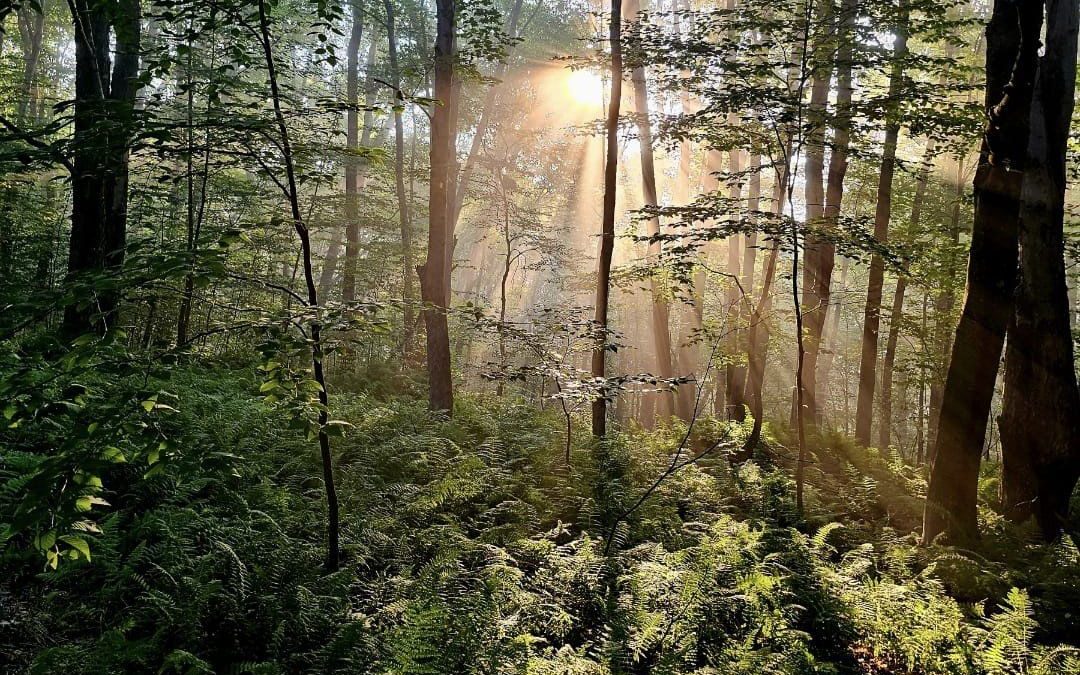
The Allegheny National Forest (ANF) is Pennsylvania’s only National Forest. It stretches across northwestern PA and is often called the “Land of Many Uses.” While it encompasses over half a million acres, its heart lies in the rugged, wooded mountains of Forest and Elk Counties. These lands tell a story of resilience, transformation, and renewal all shaped by the interplay of people and nature.
Early History and Native Presence
 Before settlers arrived, the Seneca Nation, part of the Haudenosaunee (Iroquois Confederacy), lived and hunted in these forests. The valleys of the Allegheny and Clarion Rivers and their tributaries provided fish, game, and fertile soil for crops. Forest and Elk Counties, then untamed and wild, were crisscrossed by Native trails that later guided trappers, traders, and pioneers.
Logging and the “Pennsylvania Desert”
By the mid-19th century, the timber industry began to dominate the region. Forest and Elk Counties, rich with towering white pines and hemlocks, became prime targets for logging. Sawmills sprang up in towns like Marienville, Portland Mills, and Ridgway. Lumber was floated down river to Pittsburgh, fueling America’s industrial expansion.
The logging boom, however, came at a cost. By the early 1900s, the once-pristine landscape had been stripped bare. Hillsides stood empty, rivers clogged with debris, and devastating wildfires scorched the land. The stripped and eroded terrain earned the grim nickname “Pennsylvania Desert.” For residents of Forest and Elk Counties, the boom-and-bust cycle left both economic hardship and environmental scars.
At the Forest County Historical Society in Tionesta visitors can explore the history of the ANF and the area from times Native American villages until the modern era.
The Birth of the National Forest
In response to this devastation, the federal government created the Allegheny National Forest in 1923, under the Weeks Act, to restore degraded lands and ensure a sustainable timber supply. Forest and Elk Counties became central to this effort. Crews planted millions of trees including red pines, white pines, and oak, to heal the bare hills. The Civilian Conservation Corps (CCC) during the 1930s, built roads, fire towers, picnic areas, and trails that are still in use today. In places like Loleta Recreation Area, visitors can still see stonework left by the CCC crews.
Oil, Gas, and Multiple Uses
Even as the forest began to regrow, the land remained tied to industry. Forest and Elk Counties lay in the heart of the historic oil belt. Oil and gas wells, some dating to the 19th century, continued to operate within the forest’s boundaries. This mix of industry and conservation created the “Land of Many Uses” philosophy: balancing timber, energy, recreation, and wildlife management.
 Recreation and Renewal
By the mid-20th century, the Allegheny National Forest had become a haven for outdoor recreation. The Clarion and Allegheny Rivers, winding through Pennsylvania’s Great Outdoors Region, now draw kayakers, fishermen, wildlife enthusiasts, bird watchers, hikers, campers, vacationers, and ATV, horseback, and snowmobile riders looking to enjoy the many opportunities for outdoor adventure. Trails such as the North Country National Scenic Trail and the Minister Creek Trail showcase the second-growth forests that have reclaimed the land.
Today’s Forest
Today, the lush forests of the ANF in Forest and Elk Counties are living reminders of renewal, while welcoming visitors seeking solitude among hardwood ridges and quiet streams. Tionesta, Marienville, Ridgway, and Wilcox are gateway towns to the ANF. Plan your adventure in the Allegheny National Forest at VisitPAGO.com.