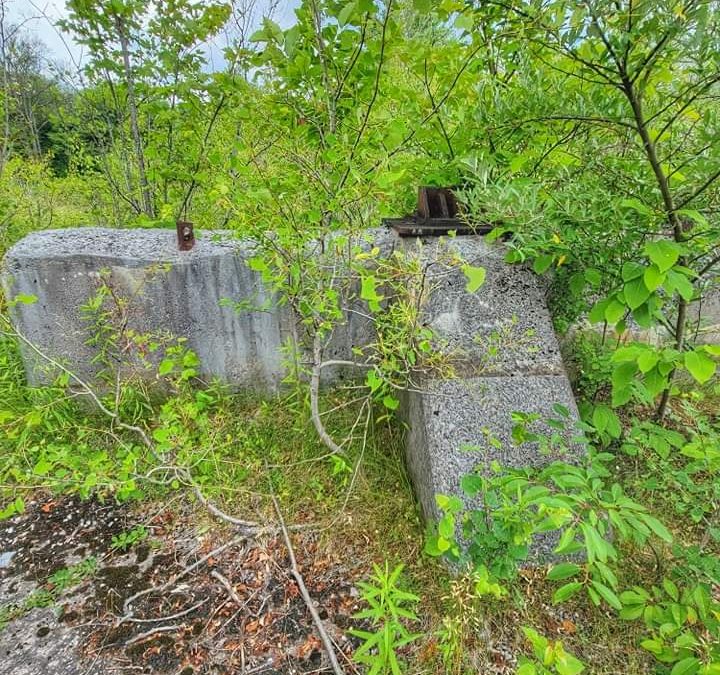
Deep in the Quehanna Wilds of Pennsylvania, where the mountains roll like a frozen green ocean and the streams run cold and clear, the forest keeps its secrets well. Mountain laurel tangles along the ridgelines, oaks and pines whisper in the wind, and elk step softly through the meadows at dusk. But beneath that quiet beauty lies a relic of a different era—jet bunkers, hidden in plain sight.
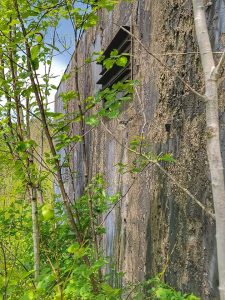
Photo by Penny Kay

Photo by Penny Kay
In the 1950s, when the Cold War hummed like distant thunder, this remote plateau was chosen for something unusual. The government carved roads into the forest and poured concrete into the earth, building thick-walled bunkers meant to test and contain experimental jet engines. The Quehanna plateau was ideal—isolated, sparsely populated, and surrounded by miles of state forest. If something went wrong, few would hear it beyond the ridges.
The bunkers themselves were squat and heavy, half-buried in the ground like stubborn stone mushrooms. Their reinforced doors once sealed in the scream of turbine tests, the air trembling with heat and force. Engineers in hard hats monitored gauges while the forest outside shuddered at the mechanical roar. For a time, the Quehanna Wilds echoed not with elk bugles or coyote howls, but with the high-pitched scream of innovation.
Today, moss softens the concrete edges. Brush creeps across old foundations. The roar has long faded, replaced by wind in the trees and the steady rush of distant creeks. Hikers sometimes stumble upon the remnants—cracked slabs, rusted bolts, strange concrete structures that seem out of place among the woodlands and wild creatures. Few realize they are standing where jets once screamed against the solitude.
The Quehanna Wilds endure, patient and resilient. The forest has reclaimed the bunkers, wrapping them in green silence, as if reminding us that even the loudest ambitions eventually bow to the quiet persistence of the mountains.